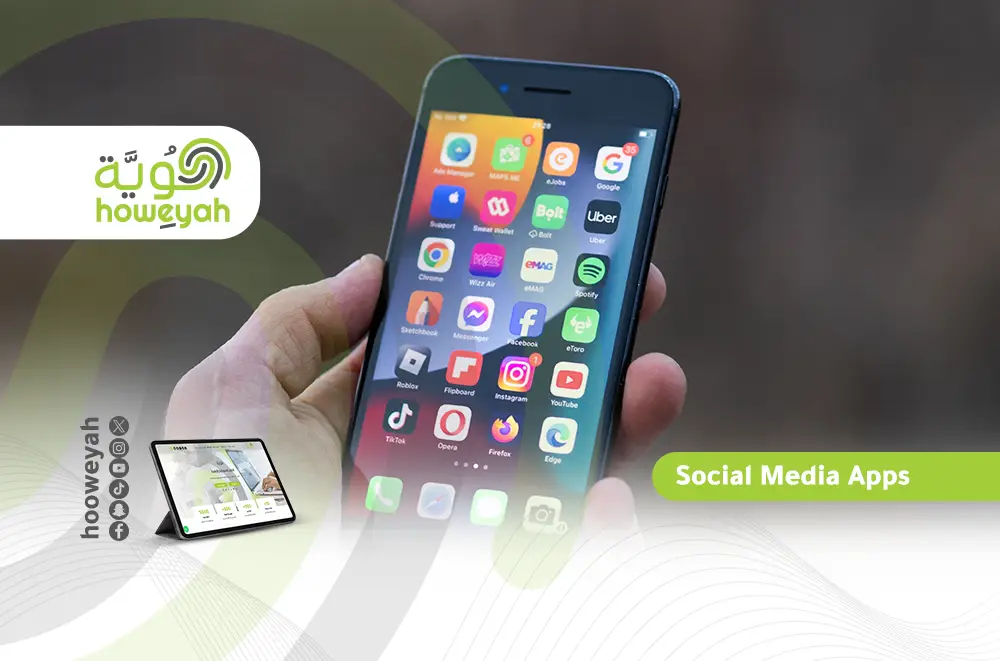
Social media apps help businesses reach audiences, build brand awareness, publish useful content, generate leads, support customers, and influence purchase decisions across stages of the buyer journey.
The strongest results come from choosing platforms that match audience behaviour, business goals, and content capabilities, then combining publishing, community engagement, paid targeting, measurement, and optimisation. Each platform serves a different role, from discovery and video storytelling to lead generation and customer messaging.
What Are Social Media Apps and Why Do Businesses Use Them?
Social media apps are digital platforms where people create, share, discover, and interact with content, communities, businesses, and other users. They include social networks, video platforms, messaging apps, professional networks, and discussion-based platforms.
For businesses, social media apps are not simply publishing channels. They can support awareness, customer research, brand positioning, lead generation, customer service, community building, website traffic, and sales when their role is clearly defined.
Why Do Businesses Use Social Media Apps?
- Reach Relevant Audiences: Businesses can communicate with people based on interests, location, professional characteristics, behaviour, or existing customer relationships.
- Build Brand Awareness: Repeated exposure to useful and recognisable content helps potential customers become familiar with a brand before they are ready to buy.
- Create Direct Customer Relationships: Comments, messages, polls, replies, and community discussions allow brands to hear from customers rather than relying only on one-way advertising.
- Publish Different Content Formats: Social media content can include short videos, long-form videos, images, carousels, text posts, live streams, documents, stories, and customer-generated content.
- Generate Website Traffic: Content and paid campaigns can move users from a platform to landing pages, ecommerce stores, booking pages, or other conversion destinations.
- Generate Leads: Platforms such as LinkedIn, TikTok, Meta, and Snapchat provide advertising tools designed around lead generation as well as awareness and conversion objectives.
- Support Customer Service: Messaging platforms allow customers to ask questions, request information, and continue conversations after seeing marketing content.
- Understand Audience Interests: Comments, search behaviour, engagement patterns, and content performance can reveal what topics and offers attract attention.
- Build Social Proof: Reviews, customer stories, creator partnerships, and public interaction can reduce uncertainty around a brand.
- Improve Retention: Brands can remain visible after the first purchase through useful content, product education, community participation, and customer communication.
- Support Paid Targeting: Advertising tools allow businesses to expand beyond their existing followers and reach selected audiences.
- Measure Performance: Businesses can compare reach, social media engagement, clicks, leads, conversions, and other outcomes instead of evaluating success by follower count alone.
Saudi Arabia has an especially active digital environment. DataReportal’s 2026 report estimates 34.4 million internet users and 38.6 million social-media user identities in late 2025, although the report warns that social-media identities do not necessarily represent unique individuals.
Difference Between Social Media and Digital Marketing
| Area | Social Media | Digital Marketing |
|---|---|---|
| Definition | The use of social media apps and communities to communicate, publish, advertise, and engage | The broader use of digital channels and technology to attract, convert, and retain customers |
| Main Channels | Instagram, Facebook, TikTok, LinkedIn, YouTube, Snapchat, X, WhatsApp and similar social media platforms | Social media, SEO, paid search, email, websites, content marketing, display advertising, automation and more |
| Primary Role | Community, content distribution, interaction, discovery and social advertising | Full customer acquisition and retention across digital touchpoints |
| Audience Interaction | Usually highly interactive through comments, messages, reactions and shares | Can be interactive or one-directional depending on the channel |
| Content Formats | Posts, reels, videos, stories, live streams, documents, conversations and direct messages | Web pages, search ads, emails, social posts, landing pages, videos, display ads and automated communications |
| Targeting | Platform audience data, interests, behaviour, professional information and remarketing | Combines platform targeting with search intent, first-party data, CRM data, website behaviour and other signals |
| Measurement | Reach, engagement, followers, clicks, leads and social conversions | Traffic, lead quality, customer acquisition cost, conversion rate, revenue, retention and lifetime value |
| Business Use | Strong for awareness, relationships, discovery and community | Covers the complete digital customer journey |
| Strategic Relationship | One part of a broader digital marketing system | The wider strategy that can include social media among several channels |
Main Types of Social Media Platforms for Businesses
Social Networking Platforms
Social-networking platforms connect users, businesses, communities, and interest groups through profiles, feeds, pages, groups, and conversations.
Examples include Facebook and similar broad social networks.
Main Advantages
- Broad Audience Coverage: They can serve many age groups and customer interests.
- Flexible Formats: Businesses can combine images, video, text, links, live content, groups, and advertising.
- Community Features: Groups and comments help brands build ongoing relationships rather than isolated campaign interactions.
- Advertising Infrastructure: Paid campaigns can complement organic social media content.
Why Businesses Use Them
- Local Visibility: Useful for local services, restaurants, education, events, and community-oriented businesses.
- Customer Relationships: Existing customers can remain connected after purchase.
- Brand Familiarity: Regular useful publishing can maintain visibility between transactions.
Best Way to Use Them
- Separate Objectives: Distinguish between awareness, engagement, traffic, leads, and sales.
- Mix Content Types: Avoid publishing only promotional posts.
- Use Community Signals: Questions, comments, and frequently discussed topics should influence future social media strategy.
Short-Form Video Platforms
These social media platforms focus heavily on vertical, mobile-first videos designed for rapid discovery and repeat viewing.
TikTok, Instagram Reels, YouTube Shorts, and Snapchat are important examples.
Main Advantages
- Fast Discovery: Content can reach users beyond the existing follower base.
- Strong Product Demonstration: Video can show how a product looks, works, or solves a problem.
- Creator-Friendly Format: User-generated and creator-led content often feels more native than traditional advertising.
- Trend Responsiveness: Brands can react quickly to cultural and category conversations.
Why They Stand Out
Short video combines visual explanation with entertainment and fast consumption. TikTok’s current business tools explicitly support brand discovery, lead generation, commerce, performance campaigns, creators, and measurement.
Best Way to Use Them
- Start With the Value Quickly: Make the reason to keep watching clear early.
- Show Rather Than Explain: Demonstrations, transformations, before-and-after examples, and process videos are often stronger than generic claims.
- Design for the Platform: Avoid treating vertical social video as a resized television commercial.
Long-Form Video Platforms
Long-form video platforms allow businesses to teach, explain, demonstrate, review, and tell more complete stories.
YouTube is the clearest example.
Main Advantages
- Depth: Complex topics can be explained more fully.
- Search and Discovery: Useful videos can continue attracting viewers beyond the day they are published.
- Multiple Funnel Roles: Video can support awareness, education, comparison, product demonstrations, and conversion.
- Short and Long Formats: Businesses can combine Shorts with longer educational or commercial videos.
Why They Are Valuable
YouTube advertising currently supports objectives including sales, leads, website traffic, reach, views, and engagement, with formats that can appear across YouTube search, videos, channel pages, and the homepage.
Best Way to Use Them
- Answer Real Customer Questions: Build videos around topics customers genuinely search for.
- Organise Content: Use playlists and clear titles to make related content easy to discover.
- Connect Video to Business Goals: Direct viewers to an appropriate next step rather than measuring views alone.
Visual Discovery Platforms
These platforms rely strongly on images, short videos, stories, collections, or visual inspiration.
Instagram is a major example.
Main Advantages
- Strong Product Presentation: Suitable for fashion, food, hospitality, beauty, interiors, travel, healthcare education, and visually demonstrable services.
- Multiple Formats: Reels, carousels, stories, images, and live content support different communication goals.
- Creator Ecosystem: Businesses can work with relevant creators and customer-generated content.
- Brand Consistency: Repeated visual language can strengthen recognition.
Why Businesses Use Them
- Discovery: Potential customers can encounter products before actively searching for them.
- Consideration: Carousels, testimonials, demonstrations, and FAQs can answer buying questions.
- Trust: Behind-the-scenes content and visible customer interaction can make the brand more approachable.
Best Way to Use Them
- Design for Information, Not Decoration: Every visual should communicate something useful.
- Use Reels for Discovery: Reserve carousels and stories for education, proof, updates, and interaction.
- Track Actions Beyond Likes: Saves, profile visits, website clicks, enquiries, and purchases often matter more.
Professional Networking Platforms
Professional platforms connect companies, employees, decision-makers, recruiters, specialists, and business communities.
LinkedIn is the dominant example.
Main Advantages
- Professional Context: Users are already thinking about business, careers, expertise, and industry developments.
- Role-Based Targeting: Businesses can reach audiences by professional characteristics.
- Lead Generation: LinkedIn provides Lead Gen Forms that can be pre-filled using professional profile information.
- Thought Leadership: Experts and executives can strengthen brand authority through useful industry content.
Why They Are Better for Some Businesses
B2B services, consulting, recruitment, technology, training, industrial businesses, and professional services often need to reach decision-makers rather than broad consumer audiences.
Best Way to Use Them
- Teach Before Selling: Publish useful expertise, research, viewpoints, case studies, and practical lessons.
- Use Employee Expertise: Relevant employees can expand the human reach of the company.
- Connect Content to Leads: Documents, events, webinars, and lead forms can move professional audiences closer to enquiry.
Messaging and Conversational Platforms
Messaging apps allow businesses to communicate directly with customers or prospects.
WhatsApp Business, Telegram, and Messenger are examples.
Main Advantages
- Direct Communication: The business can answer specific questions privately.
- Customer Service: Messaging can support order questions, appointments, enquiries, and after-sales communication.
- Low-Friction Follow-Up: Conversations can continue after a lead comes from another channel.
- Commercial Information: WhatsApp Business supports business profiles and product or service catalogues.
Why They Are Different
Messaging platforms are usually strongest later in the customer journey. Instead of broad public discovery, they often help convert interest into a real conversation.
Best Way to Use Them
- Respond Quickly: Slow responses reduce the advantage of direct messaging.
- Keep Information Organised: Use business profiles, catalogues, labels or internal processes where supported.
- Respect Customer Permission: Messaging should remain relevant and appropriate rather than becoming unwanted promotion.
Real-Time Conversation and News Platforms
These platforms focus on public conversations, opinions, news, trends, and fast-moving events.
X and Threads fit much of this role.
Main Advantages
- Real-Time Relevance: Brands can participate in current industry or cultural conversations.
- Public Interaction: Customer questions and brand responses are visible to others.
- Thought Leadership: Short observations can keep executives or brands present in ongoing discussions.
- Trend Monitoring: Businesses can follow how topics develop.
Best Way to Use Them
- Be Selective: Not every trend deserves a brand response.
- Respond With Context: Speed should not replace accuracy.
- Use Conversation as Research: Repeated customer questions can inspire stronger social media content elsewhere.
Community and Interest-Based Platforms
Community platforms organise people around shared interests, specialist topics, questions, or local interests.
Reddit communities and specialist forums are examples.
Main Advantages
- High Topic Relevance: Discussions are organised around specific interests.
- Customer Language: Brands can learn how people naturally describe problems and products.
- Research Value: Community questions can expose gaps in existing marketing content.
Best Way to Use Them
- Contribute Before Promoting: Community members usually respond better to genuine expertise than direct advertising.
- Respect Community Rules: Each community may have different expectations.
- Use Insights Elsewhere: Questions can inform website FAQs, video topics, sales scripts, and social media strategy.
Top Social Media Apps for Business Growth
Instagram is one of the strongest social media apps for visually led consumer brands, service businesses, creators, hospitality, retail, healthcare, beauty, and lifestyle marketing.
DataReportal reports that Meta’s advertising tools indicated an Instagram audience of 18.2 million users in Saudi Arabia in late 2025, while warning that advertising reach figures are not identical to active-user figures.
Best Features for Business
- Reels: Useful for discovery and short-form storytelling.
- Carousels: Effective for education, comparisons, processes, and lists.
- Stories: Useful for timely updates, polls, questions, and behind-the-scenes content.
- Direct Messages: Help convert interest into conversations.
- Advertising: Extends distribution beyond organic followers.
Why Instagram Stands Out
- Visual Brand Building: Businesses can establish a recognisable look and content style.
- Multiple Funnel Stages: A user may discover the brand through a Reel, evaluate it through carousels and stories, then enquire by message.
- Creator Compatibility: Creator and customer content can support trust.
How to Use Instagram
- Build Content Pillars: Mix education, proof, product or service content, and brand personality.
- Optimise the Profile: Make the offer and next step immediately understandable.
- Design for Saves and Shares: Useful content often has greater long-term value than content designed only for likes.
TikTok
TikTok is particularly useful for discovery, short-form video, creator marketing, product demonstration, culture-led content, and reaching audiences through native creative.
Best Features for Business
- Short Video Discovery
- Business Accounts
- Ads Manager
- Creator Collaboration
- TikTok Shop in supported markets
- Business Center and Analytics
TikTok Business Center currently centralises advertising, creator, commerce, permissions, collaboration, and analytics tools for brands and agencies.
Why TikTok Stands Out
- Discovery Before Search: Users can encounter unfamiliar brands while consuming content.
- Native Creativity: Strong content can feel like part of the platform rather than an interruption.
- Full-Funnel Tools: TikTok currently positions its business products across branding, creative, commerce, performance, and measurement.
How to Use TikTok
- Lead With the Problem or Result: Avoid lengthy brand introductions.
- Use People and Demonstrations: Human-led explanations often communicate faster than static corporate messaging.
- Test Several Creative Angles: One product can be shown through tutorials, comparisons, reactions, FAQs, proof, and stories.
Facebook remains useful for broad audiences, local businesses, community building, groups, events, customer communication, and paid advertising.
Best Features for Business
- Business Pages
- Groups
- Events
- Video and Reels
- Advertising
- Messenger
Why Facebook Remains Useful
- Community Infrastructure: Groups can create stronger repeated interaction than one-way publishing.
- Local Business Use: Restaurants, schools, clinics, events, services, and local organisations can combine content with customer communication.
- Audience Breadth: It can complement more specialised social media platforms.
How to Use Facebook
- Prioritise Useful Updates: Publish information customers genuinely need.
- Use Groups Strategically: Build or participate in communities where ongoing discussion makes sense.
- Combine Organic and Paid Distribution: Do not assume every follower will see every post.
LinkedIn is one of the most useful social media apps for B2B marketing, recruitment, professional services, thought leadership, account-based marketing, and business lead generation.
DataReportal reports that LinkedIn’s advertising resources showed 12 million registered members in Saudi Arabia in late 2025, while noting that LinkedIn’s figures are based on members and cannot be directly compared with active-user figures on other platforms.
Best Features for Business
- Company Pages
- Professional Profiles
- Document Posts
- Lead Gen Forms
- Sponsored Content
- Events and Thought Leadership
Why LinkedIn Stands Out
- Professional Audience Context: Users expect business and career content.
- Professional Targeting: Advertisers can focus on industries, roles, and other professional characteristics.
- Lead Capture: LinkedIn Lead Gen Forms can pre-fill professional information, reducing form friction.
How to Use LinkedIn
- Publish Expertise: Use practical analysis, lessons, data, cases, and opinions supported by evidence.
- Build Human Authority: Executives and specialists can strengthen company credibility.
- Connect Content to a Business Offer: Move readers toward consultations, reports, events, or useful resources.
YouTube
YouTube is strong for businesses that need deeper education, searchable video, demonstrations, comparisons, tutorials, testimonials, and long-term content value.
Best Features for Business
- Long-Form Video
- YouTube Shorts
- Search Discovery
- Channel Subscriptions
- Video Advertising
- Creator Partnerships
Why YouTube Stands Out
YouTube content can support both immediate campaigns and longer-term discovery. Its advertising tools currently support sales, leads, website traffic, reach, views, and engagement objectives.
How to Use YouTube
- Answer High-Value Questions: Create videos around problems customers research before buying.
- Use Shorts for Reach: Short videos can introduce topics that deeper videos explain later.
- Link Content to Conversion: Include logical next steps such as landing pages, bookings, or relevant products.
Snapchat
Snapchat is especially relevant for businesses targeting younger consumers, visual-first audiences, local markets, retail, restaurants, entertainment, and app-based services.
Snap’s advertising data, republished by DataReportal, indicated 25.3 million users in Saudi Arabia in late 2025. Again, advertising reach should not be treated as identical to monthly active users.
Best Features for Business
- Vertical Ads
- Sponsored Snaps
- AR Experiences
- Lead Generation
- Audience Targeting
- Dynamic Product Ads
Why Snapchat Stands Out
Snapchat provides objectives for awareness, leads, app installs, and online sales, as well as audience targeting based on demographic information, interests, customer data, and website activity.
How to Use Snapchat
- Create Mobile-First Visuals: Use full-screen creative that communicates quickly.
- Match Audience Behaviour: Avoid recycling slow, landscape creative.
- Test Commerce and Lead Objectives: Measure the business action rather than views alone.
WhatsApp Business
WhatsApp Business is less about public content discovery and more about direct customer conversations, support, enquiries, product information, and relationship management.
Best Features for Business
- Business Profile
- Messaging Tools
- Customer Lists and Organisation
- Product or Service Catalogues
- Direct Conversation
WhatsApp Business provides business profiles, organisation tools, and messaging features designed to help smaller businesses respond to customers efficiently.
Why WhatsApp Business Stands Out
- Conversation Close to Conversion: A customer can ask a specific question before taking action.
- Personal Service: Communication is direct rather than public.
- Commercial Information: Customers can view and share catalogue items where the feature is available.
How to Use WhatsApp Business
- Set Clear Response Standards: Define how quickly the team should reply.
- Keep the Business Profile Complete: Include accurate website, contact, address, and operating information where relevant.
- Use Catalogues Selectively: Make it easy for interested customers to view products or services.
X
X is suited to real-time communication, industry commentary, public relations, customer updates, news, and live conversations.
Best Features for Business
- Real-Time Posts
- Threads
- Public Replies
- Trend Monitoring
- Advertising
Why X Can Be Valuable
It allows a company or expert to react quickly when the market is actively discussing an issue.
How to Use X
- Focus on Relevant Conversations: Avoid unrelated trending topics.
- Build Expert Voices: Specialists may generate stronger authority than generic company posts.
- Monitor Customer Sentiment: Public discussions can reveal emerging concerns.
Threads
Threads provides text-led conversation connected to Meta’s broader social ecosystem.
Best Features for Business
- Short Text Posts
- Replies
- Conversation Threads
- Brand Personality
Why It Can Be Useful
It gives brands another environment for lighter, more conversational publishing that does not require every idea to become a designed graphic or video.
How to Use Threads
- Publish Observations and Questions: Encourage discussion rather than posting only announcements.
- Reuse Ideas, Not Exact Posts: Adapt themes from other social media content instead of duplicating everything.
- Test Brand Voice: The platform can help businesses develop a more human communication style.
Telegram
Telegram can be useful for channels, large communities, direct updates, files, educational materials, and audiences that already prefer the platform.
Best Features for Business
- Channels
- Groups
- Bots
- File Sharing
- Direct Updates
Why It Can Be Useful
Telegram can support a controlled distribution channel for announcements, specialist communities, education, or member updates.
How to Use Telegram
- Give People a Reason to Subscribe: Exclusive alerts or useful resources work better than duplicated posts.
- Organise Information: Avoid overwhelming subscribers with constant promotion.
- Use Bots Carefully: Automation should simplify service rather than make communication harder.
How Different Social Media Apps Support Brand Marketing
Different social media apps support different stages of brand marketing, from initial discovery to trust, lead capture, customer conversations, and repeat engagement. A strong brand does not need to perform the same task on every platform.
The most useful roles can be organised as follows:
Build Brand Discovery
- Use Short Video: TikTok, Reels, Shorts, and Snapchat can introduce the brand to people who have never searched for it.
- Prioritise Recognisable Ideas: Consistent themes, tone, and visual identity improve recall.
- Measure Qualified Reach: Evaluate whether the right audience is seeing the brand, not only the largest audience.
Educate Potential Customers
- Explain Problems: Use social media content to clarify the issue before promoting the solution.
- Compare Options: Carousels, documents, and videos can help customers evaluate alternatives.
- Answer Objections: Build content from common sales and customer-service questions.
Build Brand Trust
- Show Expertise: Publish useful knowledge instead of relying only on claims.
- Show Proof: Use customer stories, results, demonstrations, reviews, and authentic behind-the-scenes content.
- Respond Publicly: Helpful replies can demonstrate service quality to more than one customer.
Create Brand Personality
- Develop a Consistent Voice: The brand should sound recognisable across social media platforms without forcing identical copy.
- Use People: Founders, employees, experts, customers, and creators can make the brand more relatable.
- Adapt to Platform Culture: Professional LinkedIn communication does not need to sound like TikTok.
Strengthen Customer Relationships
- Continue After Purchase: Product education and useful updates can extend the relationship.
- Encourage Customer Content: Genuine user experiences can create additional proof.
- Respond to Feedback: Social media engagement should include listening, not only broadcasting.
Connect Social Activity to Commerce
- Move Interest to the Right Destination: Product content should link to product pages, booking forms, catalogues, or sales conversations.
- Match Content to Customer Stage: Early educational visitors may need broader resources such as types of ecommerce, while store owners comparing platforms may move toward a more specific resource such as zid vs salla.
- Track the Journey: Do not judge commerce-related social media apps only by likes when the business goal is sales or qualified enquiries.
How to Choose the Right Social Media Platforms for Your Business
Choose social media platforms by matching the audience, objective, buying journey, content resources, and measurable business outcome. The best platform is not necessarily the largest one; it is the one that can reach the right customer with content your team can produce consistently.
A practical platform choice can be made through the following areas:
Start With the Customer
- Identify Audience Characteristics: Age alone is not enough; consider interests, profession, buying context, location, and information needs.
- Study Existing Customers: Ask where they discover products and where they prefer to communicate.
- Use Real Platform Data: Avoid choosing social media apps because competitors appear active there.
For businesses targeting Saudi Arabia, current ad-planning data indicates substantial audiences across Instagram, TikTok, Snapchat, LinkedIn, Facebook, and X, but each source uses different definitions and should not be compared as if all figures represent identical active-user measures.
Define the Main Business Goal
- Brand Awareness: Instagram, TikTok, YouTube, Snapchat, Facebook, and similar high-reach platforms can support discovery.
- B2B Leads: LinkedIn may deserve greater priority.
- Customer Conversations: WhatsApp Business may be more valuable than adding another public feed.
- Education: YouTube, LinkedIn, Instagram, or TikTok may fit depending on required depth.
- Real-Time Communication: X or Threads may support the goal.
Match the Platform to the Buying Journey
- Discovery Stage: Prioritise reach and attention.
- Consideration Stage: Use explanations, proof, comparisons, and FAQs.
- Decision Stage: Provide clear offers and low-friction contact or conversion.
- Retention Stage: Use messaging, community, education, and repeat-purchase communication.
Assess Your Content Capability
- Video-Strong Team: TikTok, Reels, Shorts, Snapchat, and YouTube become easier to sustain.
- Expert-Led Business: LinkedIn and YouTube can turn knowledge into authority.
- Visual Product Brand: Instagram and Pinterest-style discovery may fit.
- Small Team: Two well-managed platforms are usually more useful than six neglected accounts.
Evaluate Paid Media Options
- Review Targeting: Determine whether the platform can reach your intended audience.
- Check Objectives: Look for awareness, leads, traffic, app installs, or sales depending on the goal.
- Understand Measurement: A platform should provide data that connects campaigns to business outcomes.
Consider Market-Specific Management
- Plan Local Content: Language, culture, seasonality, and audience behaviour should shape publishing.
- Allocate Community Resources: Local audiences need timely replies and relevant campaigns.
- Use Specialist Support Where Needed: Businesses seeking Social Media Management in Saudi Arabia can outsource strategy, content planning, platform-specific publishing, paid campaigns, engagement, and reporting when internal capacity is limited.
Howeyah’s current service pages specifically list content planning, customised posts, paid social campaigns, audience interaction, performance analysis, monthly reporting, and management across platforms including Instagram, Facebook, X, TikTok, LinkedIn, Snapchat, and YouTube in Saudi Arabia.
How to Build an Effective Social Media Strategy
An effective social media strategy connects business goals to audiences, platforms, content, distribution, community management, and measurement. It should explain why the business is using each channel and what action indicates progress.
A practical strategy can be built through these stages:
Define One Primary Goal Per Campaign
- Set a Business Outcome: Choose awareness, qualified leads, sales, retention, or another measurable objective.
- Avoid Mixed Objectives: One campaign should not attempt to optimise equally for reach, followers, enquiries, and purchases.
- Set a Time Frame: Decide when performance will be reviewed.
Define the Target Audience
- Describe the Customer Problem: Know what creates demand.
- Identify Buying Triggers: Understand why someone starts considering a solution.
- List Common Objections: These should influence future social media content.
- Map Platform Behaviour: Determine where the audience discovers, researches, and contacts brands.
Assign a Role to Each Platform
- Avoid Duplication: TikTok can drive discovery while WhatsApp handles conversation and LinkedIn builds B2B authority.
- Define the Next Step: Every platform should connect to another useful action.
- Remove Unnecessary Platforms: A social media strategy becomes stronger when resources are concentrated.
Build Content Pillars
- Education: Teach something useful.
- Proof: Demonstrate results, reviews, experience, or expertise.
- Product or Service: Explain what is offered and why it matters.
- Brand: Show values, people, processes, and personality.
- Community: Ask questions and respond to audience interests.
Create a Publishing System
- Set a Realistic Frequency: Consistency matters more than unsustainable volume.
- Use a Content Calendar: Plan themes, launches, events, and seasonal campaigns.
- Leave Room for Real-Time Content: Not every post should be scheduled weeks ahead.
Build Organic and Paid Distribution Together
- Test Organically: Strong organic ideas can become paid creative.
- Use Paid Reach Strategically: Advertising can put validated content in front of a larger relevant audience.
- Retarget Where Appropriate: Reconnect with people who have already interacted with the business.
Set Measurement Before Launch
- Awareness Metrics: Reach, impressions, video completion, or branded search.
- Engagement Metrics: Comments, shares, saves, meaningful replies, and social media engagement rate.
- Lead Metrics: Qualified forms, messages, calls, or bookings.
- Sales Metrics: Purchases, revenue, acquisition cost, and return on advertising spend.
- Retention Metrics: Repeat engagement, purchases, or community activity.
Review and Optimise
- Identify Patterns: Look for recurring high-performing topics and formats.
- Improve Weak Stages: High reach with no enquiries may indicate the wrong audience, message, offer, or next step.
- Update the Strategy: Social media apps evolve quickly, so platform roles should be reviewed rather than assumed permanently.
How to Increase Social Media Engagement
Social media engagement increases when content gives the right audience a reason to respond, save, share, discuss, or take another meaningful action. Sustainable engagement comes from relevance and participation rather than repeatedly asking followers to “like and comment.”
The most effective improvements include:
Publish Content Worth Responding To
- Ask Specific Questions: Narrow questions are easier to answer than generic prompts.
- Create Useful Posts: Practical content is more likely to be saved or shared.
- Show a Point of View: Clear expert perspectives can encourage discussion.
Respond to the Audience
- Reply to Useful Comments: Show people that the account is actively managed.
- Answer Questions Properly: Avoid repetitive template responses when the question needs context.
- Turn Questions Into Content: Repeated comments can inspire future posts.
Use Interactive Formats
- Polls: Useful for simple audience research.
- Q&A Content: Makes expertise accessible.
- Live Sessions: Allow deeper real-time interaction.
- Stories: Useful for questions, reactions, voting, and quick updates.
Create Stronger Opening Hooks
- State the Problem Quickly: Make relevance obvious.
- Lead With the Result: Useful for case studies and demonstrations.
- Avoid Empty Clickbait: High initial attention is not useful if the content disappoints.
Encourage Shares and Saves
- Create Reference Content: Checklists, frameworks, comparisons, and templates have practical value.
- Make Information Easy to Scan: Clear structure improves usability.
- Solve a Repeat Problem: Content people expect to need later is more likely to be saved.
Work With Relevant Creators
- Prioritise Audience Fit: Follower count alone does not determine influence.
- Let Creators Use Their Own Voice: Over-scripted content can feel unnatural.
- Measure Business Outcomes: Track qualified traffic, leads, sales, or lift rather than exposure alone.
Use Platform-Specific Creative
- Respect User Expectations: A LinkedIn document, TikTok video, Instagram carousel, and YouTube tutorial should not look identical.
- Reuse the Idea: The core insight can travel across social media apps.
- Rebuild the Execution: Adapt length, hook, framing, and CTA.
Measure Meaningful Engagement
- Differentiate Passive and Active Behaviour: A view is not the same as a comment, save, share, or enquiry.
- Track Quality: Ten relevant buyer questions may be more valuable than hundreds of generic reactions.
- Connect Engagement to the Funnel: Determine whether engaged users later visit, enquire, or purchase.
How to Create Social Media Content That Supports Business Goals
Social media content should help the customer move forward, not simply keep the account active. Each post should support awareness, education, proof, conversion, retention, or another defined business purpose.
A stronger content system can be built as follows:
Build Content Around Customer Questions
- Use Sales Questions: What prospects ask before buying is valuable content.
- Use Customer-Service Data: Repeated support issues reveal topics that need clearer explanation.
- Use Search and Comments: Customer language can improve hooks and messaging.
Match Content to Funnel Stage
- Awareness: Problems, trends, entertaining education, and category discovery.
- Consideration: Comparisons, demonstrations, FAQs, and case studies.
- Decision: Offers, proof, testimonials, pricing context, and clear CTAs.
- Retention: Education, product use, new features, and community content.
Use the Right Format
- Short Video: Best when visual demonstration matters.
- Carousel: Useful for structured teaching and comparisons.
- Long Video: Better for complex explanation.
- Text Post: Strong for opinions, commentary, or professional insights.
- Story: Useful for quick interaction and timely information.
Build Reusable Content Assets
- Start With One Strong Topic: A webinar or long video can become short clips, posts, carousels, and FAQs.
- Reuse Research: One useful dataset can support several angles.
- Avoid Exact Duplication: Adapt the execution to each platform.
Include Proof
- Use Real Examples: Explain how a result was achieved.
- Show the Process: Behind-the-scenes content can demonstrate competence.
- Use Customer Evidence: Reviews and testimonials can reduce uncertainty when used responsibly.
Create a Clear Next Step
- Awareness Content: May invite users to follow or explore.
- Educational Content: Can link to a deeper resource.
- Commercial Content: Should make enquiry or purchase easy.
- Lead Content: Give users a clear reason to submit information.
Measure Content by Its Purpose
- Do Not Compare Every Post by Reach: A sales post and educational post may serve different goals.
- Use the Right KPI: Evaluate saves for reference content, leads for lead content, and purchases for commercial campaigns.
- Feed Learning Back Into Production: The strongest social media content should influence future planning.
Best Social Media Marketing Practices for Targeted Brand Growth
- Define a Clear Audience: Strong targeting begins with understanding who should care about the brand and why.
- Choose Platforms Selectively: Use social media apps where the intended customers actually discover, evaluate, or contact businesses.
- Give Every Platform a Role: Avoid duplicating the same purpose across every account.
- Build a Recognisable Brand Voice: Tone should remain consistent even when execution changes by platform.
- Create Platform-Native Content: Adapt hooks, format, pace, and length to user behaviour.
- Balance Value and Promotion: A feed made entirely of sales posts gives people little reason to return.
- Use First-Party Insights: Sales calls, customer questions, CRM data, and website behaviour can improve social content decisions.
- Test Creative Systematically: Compare messages, offers, openings, formats, and audience segments.
- Prioritise Mobile Viewing: Text, framing, subtitles, and landing pages should work on smaller screens.
- Use Strong CTAs When Needed: Tell interested users what the next useful step is.
- Respond Consistently: Community management is part of brand marketing, not a separate afterthought.
- Track Qualified Outcomes: Reach and engagement are useful, but leads, sales, acquisition cost, and customer value determine commercial performance.
- Review Competitor Activity for Gaps: Look for unanswered customer questions rather than simply copying competitor content.
- Document Learnings: Successful formats and weak experiments should inform the next content cycle.
- Apply Practical social media marketing tips to a defined strategy: Individual tactics work better when they support audience, positioning, content, distribution, and measurement decisions.
How Social Media Apps Help Businesses Generate Leads and Sales
- Create Initial Demand: Social media apps can introduce products or services before customers actively search for them.
- Capture Existing Interest: Paid campaigns and clear CTAs can move users toward forms, messages, calls, appointments, or product pages.
- Generate Native Leads: Platforms such as LinkedIn and Snapchat provide lead-generation tools that reduce the steps between seeing an ad and submitting information.
- Drive Website Traffic: Social campaigns can direct qualified users to landing pages designed around one offer or conversion goal.
- Support Product Discovery: Short video, creators, reviews, and demonstrations can introduce products in a more contextual way than static advertising.
- Answer Buying Questions: Social media content can address objections before a customer contacts sales.
- Create Social Proof: Testimonials, customer content, case studies, and visible audience interaction can reduce purchase uncertainty.
- Use Retargeting: Businesses can reconnect with people who have already visited, watched, clicked, or engaged.
- Move Leads Into Conversation: WhatsApp Business and similar messaging tools help continue discussions after social discovery.
- Support Ecommerce Sales: TikTok currently positions its business tools around discovery, performance, commerce, and sales objectives, while Snapchat also provides online-sales campaign objectives.
- Assist B2B Sales: LinkedIn content, documents, events, and lead forms can support longer professional buying journeys.
- Improve Follow-Up: Sales teams can use lead source and engagement context to make conversations more relevant.
- Promote Repeat Purchases: Existing customers can be reached with education, launches, product updates, or relevant offers.
- Reveal Commercial Demand: Strong responses to a topic, product demonstration, or offer can indicate where customer interest is concentrated.
- Connect Marketing to Revenue: The strongest social media strategy tracks leads and purchases rather than assuming that follower growth equals business growth.
Common Social Media Marketing Mistakes Businesses Should Avoid
- Joining Every Platform: Spreading a small team across too many social media apps usually lowers content quality and response speed.
- Publishing Without a Goal: Activity is not a strategy when the business cannot explain what the content is supposed to achieve.
- Copying the Same Post Everywhere: Platform audiences, formats, and user expectations differ.
- Talking Only About the Brand: Customers care first about their own goals, questions, and problems.
- Using Too Much Promotional Content: Constant selling weakens long-term attention.
- Ignoring Comments and Messages: Publishing without community management turns social media into another one-way advertising channel.
- Buying Followers: Artificial audience growth can distort performance data and rarely creates meaningful demand.
- Measuring Only Likes: Likes can be useful, but they do not replace qualified traffic, leads, purchases, or retention.
- Following Every Trend: Trend participation without relevance can weaken brand positioning.
- Using Weak Creative Openings: Users often decide quickly whether to continue watching or scrolling.
- Ignoring Mobile Experience: Strong social creative loses value if the linked page performs poorly on mobile.
- Choosing Platforms From Assumptions: Platform popularity does not prove that the intended customer is reachable there in a useful context.
- Neglecting Paid Distribution: Organic content alone may not provide the reach required for specific commercial goals.
- Running Ads Without Proper Follow-Up: Lead generation fails when messages or forms are not handled quickly.
- Failing to Test: One creative, audience, or format is not enough evidence to judge a channel.
- Changing Strategy Too Quickly: Some campaigns need enough data before meaningful conclusions can be drawn.
- Ignoring Brand Consistency: Frequent changes in voice, design, or positioning can make the brand harder to recognise.
- Outsourcing Without Clear Ownership: Agencies can execute effectively, but the business should still own goals, positioning, customer knowledge, and commercial decisions.
Turn Social Media Activity Into Measurable Brand Growth
Successful social media marketing comes from choosing the right platforms, publishing content that reflects real customer needs, engaging consistently, and measuring business outcomes rather than activity alone. The strongest system connects strategy, content, advertising, community management, and reporting.
Howeyah provides social media management in Saudi Arabia covering strategy, content planning, visual content, paid campaigns, audience interaction, performance analysis, and reporting across major platforms. Businesses that need a structured social presence can work with Howeyah to turn social media apps into coordinated channels for brand visibility, engagement, leads, and growth.
Frequently Asked Questions About Social Media Apps
What are the best social media apps for businesses?
The best social media apps depend on the audience and business goal. Instagram and TikTok are strong for visual discovery, LinkedIn for professional audiences, YouTube for deeper video education, Snapchat for mobile-first audiences, Facebook for broad communities, and WhatsApp Business for direct customer conversations.
Which social media platform is best for B2B marketing?
LinkedIn is often particularly useful for B2B marketing because its professional environment supports business content, professional audience targeting, thought leadership, and lead-generation tools. LinkedIn currently offers Lead Gen Forms and several advertising formats designed around professional audiences.
Which social media apps are important for businesses in Saudi Arabia?
The right choice depends on the customer segment, but current advertising-planning data shows substantial audiences across TikTok, Snapchat, Instagram, LinkedIn, Facebook, and X in Saudi Arabia. These numbers use different methodologies, so businesses should combine market data with their own customer behaviour before choosing platforms.
Is TikTok useful for businesses?
Yes. TikTok currently provides business tools covering advertising, creators, commerce, performance, analytics, and measurement. It can be particularly useful when the brand can communicate through short, platform-native video rather than traditional promotional creative.
Is YouTube a social media platform?
Yes. YouTube combines content publishing, subscriptions, comments, creators, community interaction, search, and advertising. For businesses, it can support brand awareness, education, engagement, website traffic, leads, and sales.
Is WhatsApp considered a social media app for business?
WhatsApp Business is primarily a messaging and customer-communication platform rather than a public content feed. It supports business profiles, messaging tools, customer organisation, and product or service catalogues, making it useful for enquiries, support, and conversion-stage conversations.
How many social media platforms should a business use?
A business should use only the number it can manage effectively. Two or three well-selected platforms with consistent content, engagement, and measurement can produce more value than maintaining many inactive or repetitive accounts.
How often should businesses post on social media?
There is no universal frequency. Publishing should be frequent enough to maintain relevance but realistic enough to sustain quality. Howeyah’s current social media service information notes that its client publishing schedules are typically tailored by package and business needs rather than applying one fixed frequency to every account.
What is social media engagement?
Social media engagement refers to meaningful interactions with content or accounts, including comments, shares, saves, replies, reactions, direct messages, and other actions. Businesses should evaluate engagement quality as well as quantity.
How can a business improve social media engagement?
Businesses can improve social media engagement by publishing more relevant content, asking specific questions, responding to the audience, using interactive formats, adapting creative to each platform, and measuring which topics encourage meaningful actions rather than passive views.
What should a social media strategy include?
A social media strategy should define business objectives, audiences, platform roles, content pillars, publishing workflows, community management, paid distribution, measurement, and optimisation. It should also explain what each platform contributes to the customer journey.
Can social media generate direct sales?
Yes. Social media apps can generate sales through paid campaigns, social commerce, creator content, product demonstrations, retargeting, direct-response creative, and messaging. However, brands should connect platform activity to reliable conversion tracking rather than assuming engagement equals revenue.
Should small businesses hire a social media management company?
External management can be useful when a business lacks time or specialist skills for strategy, content, design, paid advertising, community management, or analytics. The company should still retain ownership of its commercial goals, positioning, offer, and customer knowledge.