The Core Marketing Mix Elements Required for Sustainable Brand Growth
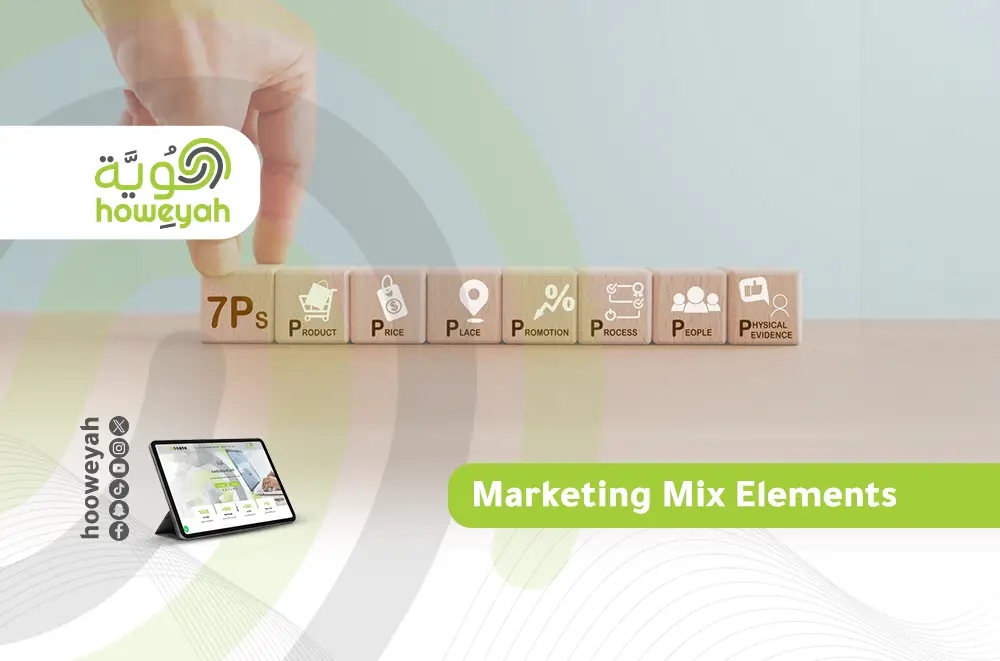
Marketing mix elements give brands a framework for shaping what they offer, how they price it, where customers access it, and how they communicate value. The 4Ps Product, Price, Place, and Promotion, can expand to 7Ps for service businesses by adding People, Process, and Physical Evidence. This guide explains how elements work together, how to build them around customer needs, connect them with digital channels, measure results, and support sustainable brand growth.
What Do Marketing Mix Elements Mean for Brand Growth?
Marketing mix elements are the controllable decisions a business combines to create, deliver, price, and communicate value to its target customers.
The traditional framework contains Product, Price, Place, and Promotion. OpenStax describes these 4Ps as the core marketing mix used to connect an offering with the market and influence customer decisions.
The concept becomes clearer when viewed from several perspectives:
Strategic Perspective
From a strategic perspective, marketing mix elements translate a broader marketing plan into practical business decisions.
They determine what the company sells, how the offer is positioned, how much customers pay, where they can access it, and how the brand communicates its value.
Customer Perspective
From the customer’s perspective, the mix shapes the complete buying experience.
Product affects usefulness, Price affects perceived value, Place affects convenience, and Promotion influences how customers discover and understand the offer. The Open University also presents the 4Ps from a customer-oriented perspective through needs, cost, convenience, and communication.
Brand Perspective
For a brand, marketing mix elements should communicate a consistent market position.
A premium product paired with low-quality presentation, inappropriate distribution, and conflicting promotional messages can weaken how customers understand the brand.
Growth Perspective
The mix should evolve as customer expectations, competition, technology, and distribution channels change.
Sustainable growth therefore depends less on choosing one perfect marketing tactic and more on keeping the elements aligned with the market over time.
How Do the Core Marketing Mix Elements Work Together?
The classic marketing mix elements are Product, Price, Place, and Promotion. They work best as a connected system rather than four independent decisions. OpenStax and other business-learning resources emphasize that the mix combines these controllable variables to serve customers and achieve marketing objectives.
The four core elements are:
1. Product
Product refers to the good, service, experience, or solution offered to the customer.
- Customer Need: The offering should solve a meaningful problem or satisfy a clear need.
- Features and Benefits: Features explain what the product contains, while benefits explain why those features matter.
- Quality: Product quality should support the brand’s intended position.
- Branding: Name, design, packaging, and presentation influence how the offer is perceived.
- Product Information: Clear (product description writing) can help customers understand benefits, specifications, use cases, and differences between alternatives.
Product decisions should begin with customer value rather than simply with what a business is capable of producing.
2. Price
Price represents what customers exchange for the product or service.
- Customer Value: Pricing should reflect what the target market believes the offer is worth.
- Business Costs: The price must also support a sustainable commercial model.
- Competitive Position: Pricing can signal budget, mainstream, premium, or specialist positioning.
- Pricing Structure: Businesses may use subscriptions, packages, bundles, discounts, or different service tiers.
- Consistency: The price should make sense alongside product quality, distribution, and brand messaging.
OpenStax notes that pricing affects both revenue and how a product is positioned in customers’ minds.
3. Place
Place describes how and where customers can access the offer.
- Physical Distribution: Stores, branches, wholesalers, and partners may form part of the channel.
- Digital Access: Websites, mobile apps, e-commerce stores, and marketplaces can also function as distribution channels.
- Convenience: Customers should be able to access the product through channels that match their habits.
- Coverage: The business must decide whether distribution should be broad, selective, or highly controlled.
- Availability: A strong promotion cannot compensate for a product customers cannot easily obtain.
Distribution channels influence how efficiently value moves from the business to the customer.
4. Promotion
Promotion covers the ways a company communicates with the market.
- Advertising: Paid media can create awareness and generate demand.
- Content: Educational, commercial, and branded content can explain value.
- Public Relations: PR can support reputation and credibility.
- Sales Promotion: Offers and incentives can encourage short-term action.
- Personal Selling: Sales teams can support complex or high-value decisions.
- Digital Communication: Search, social media, email, and mobile channels extend promotion into the digital customer journey.
Promotion is only one part of marketing. OpenStax treats advertising, public relations, personal selling, sales promotion, social media, and other communication activities as components within the broader promotional mix.
Strong marketing content examples should therefore support the Product, Price, and Place strategy instead of promoting an offer that is disconnected from the rest of the mix.
How Do People, Process, and Physical Evidence Strengthen the Marketing Mix?
For services, the traditional 4Ps are often expanded into seven marketing mix elements by adding People, Process, and Physical Evidence.
This extended model is especially useful when the customer experience depends heavily on employees, service delivery, digital interfaces, or other intangible factors. Academic service-marketing frameworks commonly describe these three additional elements as the extension of the traditional mix.
People
People include employees, customer-facing teams, service specialists, and sometimes customers who participate in the service experience.
- Employee Skills: Staff knowledge can influence service quality.
- Customer Service: Helpful interactions can strengthen trust and retention.
- Training: Teams need to understand both operational standards and brand expectations.
- Brand Representation: Employees often become a visible part of the brand itself.
For service businesses, customers may judge the brand partly through the people delivering the experience.
Process
Process refers to the systems and steps through which the customer receives the service.
- Customer Journey: The process should make each stage easy to understand.
- Speed: Unnecessary delays create friction.
- Consistency: Similar customers should receive a reliable standard of service.
- Automation: Technology can reduce repetitive work where appropriate.
- Problem Resolution: Complaints, returns, and support requests need clear procedures.
Service-marketing literature treats Process as an important part of how service quality is created and experienced.
Physical Evidence
Physical Evidence includes tangible signals that help customers judge an otherwise intangible service.
- Website: Design quality and usability influence first impressions.
- Office or Store: Physical environments can communicate professionalism or brand positioning.
- Packaging: Presentation reinforces perceived quality.
- Documents: Proposals, reports, invoices, and branded materials provide evidence of professionalism.
- Reviews and Proof: Testimonials, portfolios, certificates, and case studies can make service quality easier to evaluate.
In digital services, physical evidence does not have to mean a physical building. A polished website, clear interface, professional proposal, and documented results can serve the same purpose.
How Can You Build a Marketing Mix Around Customer Needs?
A strong marketing mix starts with the target customer rather than with promotional channels.
Businesses should understand the audience first, then use the marketing mix elements to design an offer and experience around that audience.
A practical process includes:
1. Define the Target Market
Identify who the business is trying to serve.
- Customer Profile: Understand demographics, behaviors, priorities, and purchasing context.
- Specific Needs: Identify the problem the customer is trying to solve.
- Segments: Separate groups when their needs or buying behavior differ significantly.
Marketing strategy typically begins with understanding the market and selecting target audiences before developing the mix for them.
2. Clarify the Customer Problem
Avoid developing products around assumptions.
- Research Needs: Use interviews, customer feedback, analytics, reviews, and sales conversations.
- Identify Friction: Look for problems customers currently face.
- Define Value: Explain why the offer provides a useful improvement.
3. Build the Right Product
Translate customer needs into a clear solution.
- Core Offer: Define what the customer receives.
- Supporting Features: Add elements that strengthen the main value.
- Differentiation: Clarify why customers should choose the offer over alternatives.
Understanding how to market products begins with understanding why customers would want them in the first place.
4. Set a Suitable Price
Pricing should reflect customer value, business economics, and market context.
- Affordability: Consider the target market’s willingness and ability to pay.
- Positioning: Decide whether the offer competes on value, specialization, convenience, or premium quality.
- Profitability: Make sure pricing supports sustainable delivery.
5. Choose Customer-Friendly Channels
Make the offer available where the audience naturally prefers to buy.
- Direct Website
- Physical Locations
- E-commerce Platforms
- Marketplaces
- Partners or Distributors
- Sales Teams
Channel selection should prioritize customer convenience as well as business economics.
6. Create Consistent Promotion
Messages should reflect the same positioning established through the product, price, and place.
- Core Message: Communicate the main customer benefit clearly.
- Channel Fit: Adapt formats to search, social, email, video, or offline channels.
- Consistency: Maintain recognizable brand positioning across touchpoints.
7. Review the Customer Experience
For services, also examine People, Process, and Physical Evidence.
A good marketing mix should remain consistent from the first advertisement through purchase, delivery, support, and repeat business.
How Can Marketing Mix Elements Support Digital Marketing Channels?
Digital channels do not replace the marketing mix elements. Instead, they give businesses new ways to execute Product, Price, Place, Promotion, and the wider customer experience.
A coordinated approach helps prevent digital marketing from becoming a collection of disconnected campaigns.
Product in Digital Channels
Digital environments influence how customers understand and evaluate an offer.
- Website Content: Product and service pages should explain benefits clearly.
- Visual Presentation: Images, video, demonstrations, and comparisons can support evaluation.
- Product Information: Strong product description writing can reduce uncertainty before purchase.
- Customer Feedback: Reviews and usage data can reveal opportunities to improve the offer.
Price in Digital Channels
Online markets make pricing highly visible.
- Transparent Pricing: Customers can compare alternatives quickly.
- Packages: Service businesses can offer tiers or subscriptions.
- Promotions: Digital campaigns can support limited offers without changing long-term positioning.
- Testing: Businesses can evaluate how pricing structures affect demand and conversion.
Place in Digital Channels
For many companies, websites and digital platforms have become an important form of distribution.
- E-commerce: Customers can purchase directly.
- Marketplaces: Brands can gain access to existing audiences.
- Mobile: Apps and mobile-first websites improve convenience.
- Geographic Reach: Digital channels can allow businesses to serve markets beyond their physical location.
Promotion in Digital Channels
Promotion is where online marketing becomes highly visible.
- SEO: Helps customers discover useful content organically.
- Paid Media: Supports targeted reach and demand generation.
- Social Media: Builds awareness, interaction, and community.
- Content Marketing: Useful marketing content examples can explain expertise and customer value before the sales conversation.
- Email: The (importance of email marketing) becomes clear when brands need a direct channel for nurturing leads, retention, updates, and repeat purchasing.
OpenStax separates direct, online, social, and mobile marketing as important modern marketing channels and also emphasizes integrated marketing communications rather than treating each promotional activity independently.
Connecting the Channels
A digital marketing strategy should coordinate the mix instead of allowing each channel to operate independently.
For example, advertising may create awareness, SEO may answer research questions, email may nurture interest, while a website or e-commerce platform delivers the final product information and conversion experience.
This is also where professional digital marketing services and broader digital marketing solutions can help businesses coordinate multiple channels around one consistent market position.
What Are the Business Benefits of a Balanced Marketing Mix?
A balanced marketing mix creates value because individual decisions support each other instead of competing with each other.
The main benefits include:
- Clearer Brand Positioning: Consistent marketing mix elements help customers understand whether a brand is affordable, premium, convenient, specialist, innovative, or positioned around another value.
- More Relevant Offers: Customer-focused product decisions reduce the risk of promoting something the market does not genuinely need.
- Stronger Price Perception: Product quality, communication, and distribution can support the price customers are asked to pay.
- Better Customer Access: Effective Place decisions make it easier for customers to find and purchase the offer.
- More Efficient Promotion: Marketing budgets can focus on audiences, channels, and messages that fit the underlying offer.
- Improved Customer Experience: People, Process, and Physical Evidence can align service delivery with the promises made during promotion.
- Greater Marketing Consistency: SEO, advertising, email, social media, sales, and offline communication can reinforce the same value proposition.
- Better Resource Allocation: A clear mix helps businesses identify whether weak results come from the product, price, channel, promotion, or customer experience rather than assuming advertising is always the problem.
- Adaptable Growth: Businesses can adjust individual elements as markets change without rebuilding the entire brand strategy.
- Long-Term Customer Value: A coherent experience can support satisfaction, repeat purchasing, loyalty, and stronger customer relationships.
The key benefit is integration. Marketing literature consistently treats the mix as a combination of interdependent decisions rather than isolated tactics.
How Can You Measure and Improve Your Marketing Mix Over Time?
The marketing mix elements should be reviewed as market conditions and customer behavior change.
Instead of measuring only advertising results, businesses should connect performance metrics with the element they are designed to evaluate.
Measure Product Performance
Track whether customers continue to value the offer.
- Sales Volume: Is demand growing or declining?
- Repeat Purchase: Are customers returning?
- Reviews: What problems appear repeatedly?
- Returns or Cancellations: Are expectations matching the actual product?
- Feature Usage: Which parts of the offer create the most value?
Measure Pricing Performance
Evaluate how the market responds to price.
- Revenue: Is pricing generating sufficient commercial value?
- Margin: Does the price support the cost of delivery?
- Discount Dependence: Are customers purchasing only when prices are reduced?
- Customer Feedback: Is price a frequent objection?
- Competitive Context: Has the market changed around the brand?
Measure Channel Performance
Compare how effectively different Places reach customers.
- Revenue by Channel
- Conversion Rate
- Acquisition Cost
- Geographic Demand
- Customer Convenience
- Fulfilment Costs
A channel that produces high sales may still perform poorly if operational costs make it inefficient.
Measure Promotional Performance
Different promotional channels require different success metrics.
- Reach and Awareness
- Qualified Traffic
- Lead Generation
- Conversion Rate
- Cost per Acquisition
- Campaign Revenue
- Return on Marketing Spend
OpenStax includes measurement as a core part of advertising and online marketing management, reinforcing the importance of connecting promotional activity with measurable outcomes.
Review People and Process
Service businesses should also monitor delivery quality.
- Customer Satisfaction
- Response Time
- Service Complaints
- Resolution Rate
- Employee Performance
- Customer Retention
Improve One Element Without Breaking the Others
A marketing mix should be adjusted carefully.
For example, lowering Price may increase demand but damage premium positioning. Expanding Place may improve availability but weaken exclusivity. Increasing Promotion may generate traffic that an inefficient Process cannot handle.
The better approach is to identify the weakest point, change it deliberately, measure the result, and then reassess how the other elements are affected.
Frequently Asked Questions About Marketing Mix Elements
1. What Are Marketing Mix Elements in Simple Terms?
They are the main controllable decisions a business uses to market an offering.
The traditional model includes Product, Price, Place, and Promotion. Service businesses often add People, Process, and Physical Evidence.
2. What Are the 4Ps of Marketing?
The 4Ps are:
- Product: What the business offers.
- Price: What the customer pays.
- Place: Where and how customers access it.
- Promotion: How the business communicates the offer.
These are the traditional core of the marketing mix.
3. What Are the 7Ps of Marketing?
The 7Ps extend the original model with three service-focused elements:
- Product
- Price
- Place
- Promotion
- People
- Process
- Physical Evidence
The additional elements help businesses consider how services are delivered and experienced.
4. Which Marketing Mix Element Is Most Important?
There is no universal single most important element.
The mix works through alignment. A strong product may still struggle if customers cannot access it, the price is unsuitable, or the promotion fails to explain its value.
5. Is Digital Marketing Part of the Marketing Mix?
Yes, but digital marketing is not a separate replacement for the mix.
Digital channels mainly influence Promotion and Place, while websites, customer data, online service delivery, pricing tools, and digital experiences can also affect the other elements.
6. How Often Should a Marketing Mix Be Reviewed?
There is no fixed schedule for every business.
It should be reviewed when customer behavior, competitors, pricing conditions, distribution channels, technology, product performance, or campaign results change significantly.
7. Can Small Businesses Use the 7Ps?
Yes.
The framework does not require a large marketing department. A small business can use it as a checklist to review its offer, pricing, channels, communication, customer service, delivery process, and visible proof of quality.
8. How Does the Marketing Mix Support Brand Growth?
A coordinated marketing mix creates consistency between what the brand promises and what customers actually receive.
That consistency can support clearer positioning, stronger customer experiences, better use of marketing resources, and more sustainable growth over time.
Strong marketing mix elements connect customer needs with the full commercial experience rather than focusing only on advertising. Product defines the value, Price establishes the exchange, Place creates access, Promotion communicates the offer, while People, Process, and Physical Evidence strengthen service delivery.
For sustainable growth, businesses should keep these decisions connected to a wider digital marketing strategy, measure how each element performs, and refine the mix as customer needs and market conditions evolve.