SEO vs SEM: Key Differences to Optimize Your Search Engine Strategy
SEO vs SEM compares two ways to gain visibility in search: earning organic rankings and using paid search advertising. SEO builds long-term discoverability through content, technical improvements, and authority, while SEM can generate targeted traffic faster through ad campaigns. This guide explains their core differences, business benefits, ideal use cases, combined strategy, planning steps, and performance metrics so marketers can choose the right balance for sustainable search growth and measurable results.
How Do SEO and SEM Fit Into Search Marketing?
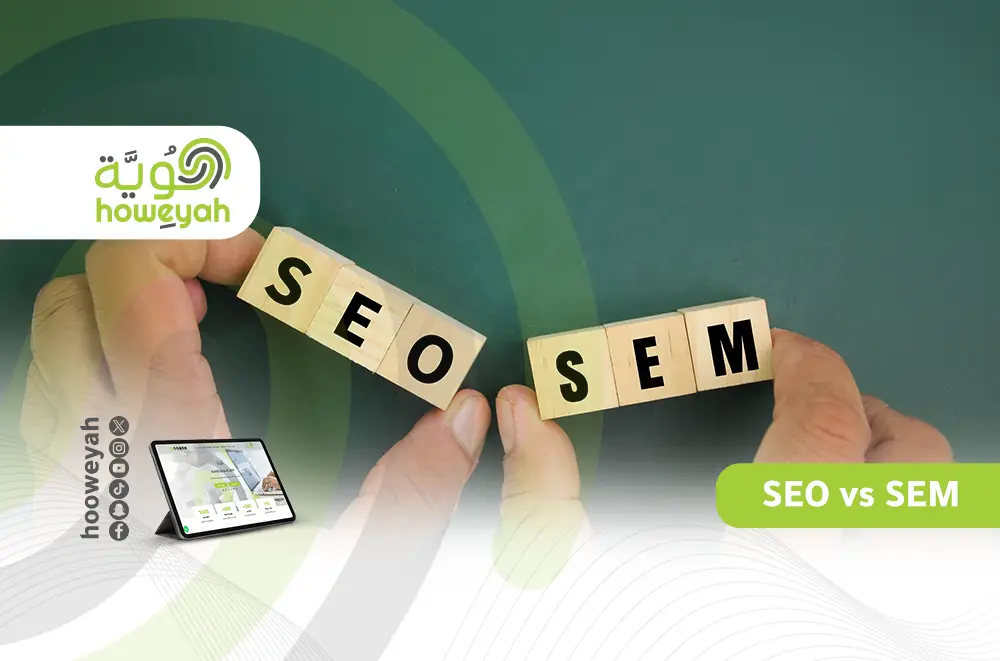
The seo vs sem comparison focuses on two approaches to reaching people through search engines: organic visibility and paid advertising. The terms are sometimes used differently across the industry, so understanding the distinction is important before building a search strategy.
SEO
If you are asking what is seo, search engine optimization is the process of improving a website so it can earn visibility in unpaid search results.
It combines useful content, keyword targeting, technical accessibility, page experience, site structure, and authority rather than paying for every visit.
SEM
SEM stands for Search Engine Marketing. Some sources use it as an umbrella term covering both SEO and paid search, while modern marketing discussions often use it specifically for paid search advertising.
For clarity, this article uses SEM to mean paid search when discussing seo vs sem, including campaigns based on keywords, bids, targeting, ads, and landing pages.
This is also the context in which search engine marketing sem is commonly discussed in campaign planning.
What Are the Main Differences Between SEO and SEM?
The main seo vs sem difference is how visibility is obtained. SEO earns placement within organic results, while SEM uses paid advertising to compete for sponsored search positions.
The comparison becomes clearer across the following factors:
Traffic Source
- SEO: Generates traffic from unpaid organic search results.
- SEM: Generates traffic from sponsored search advertisements.
- Main Difference: SEO earns visibility through optimization, while SEM purchases advertising opportunities.
Time to Gain Visibility
- SEO: Usually requires ongoing optimization, indexing, content development, and authority building before substantial results appear.
- SEM: Campaigns can begin generating impressions and clicks after ads become eligible and start entering auctions.
- Main Difference: SEM can provide faster access to search demand, while SEO is designed around longer-term organic growth.
Cost Structure
- SEO: Does not charge for each organic click, but requires investment in content, technology, expertise, and ongoing optimization.
- SEM: Usually works with advertising budgets and pricing models such as cost per click.
- Main Difference: SEM has direct media costs, while SEO investment is mainly tied to building and maintaining organic performance.
Position Control
- SEO: Organic rankings are determined by search engine systems and cannot simply be purchased.
- SEM: Advertisers can control budgets, keywords, locations, audiences, bids, and campaign settings, although ad position is still determined through an auction.
- Main Difference: SEM provides greater campaign-level control, but paying more does not automatically guarantee the highest placement.
Duration of Traffic
- SEO: A strong page can continue receiving organic traffic after the initial optimization work.
- SEM: Paid traffic depends on campaigns remaining active and having available budget.
- Main Difference: Organic visibility can continue without payment per click, while paid exposure depends more directly on advertising spend.
Optimization Factors
An effective seo strategy considers content quality, crawlability, site architecture, relevance, links, and overall user experience.
There is no simple universal checklist of seo ranking factors that guarantees a position because Google’s ranking systems use multiple signals and systems depending on the query.
SEM optimization focuses on factors such as bids, ad quality, expected click performance, landing page experience, competition, search context, and campaign targeting.
What Are the Benefits of SEO and SEM for Businesses?
SEO and SEM solve different business problems, so their benefits should be evaluated according to objectives rather than treating one as universally better.
Benefits of SEO
SEO is particularly valuable when a business wants sustainable visibility across informational, commercial, and transactional searches.
- Long-Term Organic Discovery: Optimized pages can attract search traffic without paying for every click.
- Content Growth: Each useful page can expand the number of relevant searches through which users discover a business.
- Brand Credibility: Consistent organic visibility can strengthen familiarity with the company during research and comparison.
- Website Improvement: Search engine optimization often encourages stronger navigation, technical performance, mobile usability, and content quality.
- Compounding Value: Existing pages can continue contributing while new content expands the site’s organic presence.
Technical SEO also makes it easier for search engine spiders to discover and process important pages before those pages can compete in organic search. Bing similarly notes that crawling and indexing are necessary stages before webpages can appear in its results.
Benefits of SEM
SEM is useful when businesses need direct control over when, where, and for which searches advertising appears.
- Faster Market Access: Ads can reach users actively searching for relevant services or products.
- Budget Control: Advertisers can define budgets and adjust spend according to campaign goals.
- Precise Targeting: Campaigns can use keywords, location, devices, audiences, and other settings.
- Testing Opportunities: Ads can test messages, keywords, landing pages, and offers before making broader investments.
- Measurable Commercial Performance: Businesses can directly monitor clicks, conversions, cost, and return metrics.
When Should You Use SEO, SEM, or Both?
The best seo vs sem choice depends on business goals, available resources, competition, and how quickly the company needs traffic.
Use SEO When Long-Term Growth Is the Priority
SEO is usually appropriate when a company wants to build an enduring organic presence around topics customers repeatedly search for.
- Best Situation: Sustainable visibility matters more than immediate traffic.
- Resources Needed: Content production, technical optimization, keyword research, and continuous improvement.
- Suitable Goals: Building authority, capturing informational demand, and reducing dependence on paid acquisition over time.
Businesses targeting competitive local markets may also work with specialists such as an SEO Agency in Muscat when local search behavior, technical execution, and regional competition require dedicated expertise.
Use SEM When Speed and Control Matter
Paid search is useful when the business needs targeted search visibility without waiting for organic growth.
- Best Situation: A launch, limited-time promotion, new service, or competitive commercial keyword.
- Resources Needed: Advertising budget, campaign management, optimized landing pages, and conversion measurement.
- Suitable Goals: Leads, sales, bookings, or fast keyword testing.
Use Both When Search Is a Major Acquisition Channel
Using both methods allows paid campaigns to capture immediate opportunities while SEO develops longer-term organic visibility.
- Short Term: SEM reaches relevant searches while organic pages are still developing.
- Long Term: SEO expands unpaid visibility and reduces reliance on paid traffic for every visit.
- Shared Insight: Performance data from each channel can improve decisions in the other.
A wider search plan can also consider different platforms where the target audience searches. This may include Google, Bing, or regional alternatives such as russian search engines when they are genuinely relevant to the audience.
How Can SEO and SEM Work Together in One Search Strategy?
The strongest seo vs sem strategy does not necessarily force businesses to choose one channel. Organic and paid search can provide different data and cover different points in the customer journey.
Here is how they can complement each other:
Share Keyword Insights
SEM campaigns can quickly provide information about searches that generate clicks and conversions.
- Paid Insight: Identify commercially valuable terms.
- SEO Application: Use those findings to prioritize relevant landing pages or organic content.
- Strategic Benefit: Keyword decisions become connected to actual business outcomes rather than volume alone.
Google Keyword Planner can also provide search-volume estimates, keyword ideas, forecasts, and cost information for paid campaign planning. مساعدة جوجل
Cover the Search Results More Broadly
When relevant, brands can appear through both sponsored and organic listings.
- Paid Visibility: Provides controlled campaign exposure.
- Organic Visibility: Provides an additional unpaid route to the website.
- Combined Effect: Users may encounter the brand across several parts of the results page.
Use SEM to Test Before Larger SEO Investment
Paid campaigns can help test commercial assumptions before a business commits significant resources to organic content.
- Test Keywords: Determine whether a query attracts useful traffic.
- Test Offers: Compare different value propositions.
- Test Landing Pages: Identify which page messaging converts effectively.
These findings can inform a more focused seo strategy.
Use SEO Content to Support Paid Campaigns
SEM performs better when the destination provides a useful and relevant experience.
Google states that ad and landing page usefulness and relevance contribute to ad quality and Ad Rank.
Strong SEO-oriented content principles can therefore support landing-page clarity even when the traffic is paid.
How Can You Build an Effective SEO and SEM Strategy?
Building an integrated seo vs sem plan requires clear goals before keywords, content, or advertising budgets are selected.
The process can follow these steps:
Define Search Goals
Begin by connecting search activity to a measurable business objective.
- Awareness: Increase visibility among relevant audiences.
- Lead Generation: Generate enquiries, calls, registrations, or quote requests.
- Sales: Reach users who are ready to purchase.
- Retention or Education: Help existing audiences find useful support information.
Research Search Demand
Identify what potential customers search for and why.
- Keyword Topics: Find queries related to products, services, problems, and solutions.
- Intent: Separate informational research from commercial and transactional demand.
- Competition: Review both organic results and paid advertising activity.
Separate Organic and Paid Opportunities
Not every keyword needs both SEO and SEM.
- SEO Opportunities: Topics where useful evergreen content can build sustainable demand.
- SEM Opportunities: Commercial terms where faster visibility may justify advertising cost.
- Combined Opportunities: High-value searches important enough to target through both channels.
Build the Right Destination Pages
Traffic should lead to a page that matches the user’s objective.
- SEO Content: Educational articles, commercial guides, category pages, and optimized service pages.
- SEM Landing Pages: Focused pages aligned with the ad, keyword, and intended conversion.
- Shared Standard: Both channels need relevance, clarity, usability, and a strong next step.
Allocate Budget and Resources
SEM requires direct advertising spend, while SEO needs investment in content, technical work, and expertise.
- Paid Budget: Set according to campaign goals and acceptable acquisition costs.
- SEO Resources: Allocate production, development, optimization, and maintenance capacity.
- Balanced Planning: Avoid funding one channel so heavily that the other becomes unable to support long-term growth.
Launch, Measure, and Refine
Search strategies improve through performance data.
- SEO: Monitor queries, clicks, impressions, rankings, conversions, and page performance.
- SEM: Monitor traffic, click costs, conversion costs, conversion value, and advertising return.
- Combined Review: Decide where organic growth can reduce paid dependency and where paid search fills organic gaps.
This turns search engine optimization and paid search into connected acquisition systems rather than isolated campaigns.
How Can You Measure SEO and SEM Performance?
The final seo vs sem comparison should focus on business outcomes rather than simply counting traffic.
SEO and SEM use some shared metrics, but each channel also needs its own performance indicators.
SEO Performance Metrics
Google Search Console provides several core metrics for organic search performance.
- Organic Clicks: How often users click a website from search results.
- Impressions: How often the site appears in eligible search results.
- CTR: The percentage of impressions that generate clicks.
- Average Position: The average position of the site’s highest result for the measured query or grouping.
- Organic Conversions: Leads, purchases, or other valuable actions generated from organic visits.
- Landing Page Performance: Which organic pages attract and convert qualified traffic.
Ranking alone should not be the only KPI. A useful seo strategy connects visibility with traffic quality and business outcomes.
SEM Performance Metrics
Paid search metrics focus more heavily on advertising efficiency and conversion economics.
- Clicks: Number of visits generated from ads.
- CTR: Percentage of ad impressions that receive clicks.
- CPC: Average amount paid for each click.
- Conversions: Desired actions generated by paid traffic.
- CPA: Advertising cost required to generate a conversion.
- Conversion Value: Revenue or assigned value generated by campaign conversions.
- ROAS: Revenue or conversion value compared with advertising spend.
Google Ads also emphasizes that campaign performance is affected by factors such as budget, bids, ad quality, targeting, competition, and user behavior.
Measure the Channels Together
SEO and SEM should also be evaluated collectively.
- Total Search Visibility: How much relevant demand the brand captures across organic and paid results.
- Blended Acquisition Cost: Whether the combined strategy generates customers efficiently.
- Keyword Coverage: Which valuable searches are covered organically, through ads, or both.
- Revenue Contribution: Which channel and keyword groups produce meaningful commercial outcomes.
This broader view prevents businesses from judging seo vs sem only by clicks and encourages decisions based on profitable growth.
Frequently Asked Questions About SEO vs SEM
1. What Is the Biggest Difference Between SEO and SEM?
SEO focuses on earning visibility in unpaid search results through website and content optimization.
When SEM is used to mean paid search, it relies on advertising campaigns and budget to reach users in sponsored search placements.
2. Is SEO Free Compared With SEM?
Organic clicks do not require payment each time someone visits the website, but SEO itself is not cost-free.
Content production, technical work, tools, link acquisition, specialists, and ongoing maintenance can all require investment.
3. Does SEM Produce Faster Results Than SEO?
Paid search campaigns can begin generating impressions and traffic once ads become eligible to enter auctions.
SEO often takes longer because pages must be crawled, indexed, evaluated, and compete organically against existing results.
4. Is SEO Better Than SEM for Long-Term Growth?
SEO can create sustainable organic visibility, while SEM provides greater control over paid traffic and faster market access.
The appropriate balance depends on objectives, competition, budget, and the value of the searches being targeted.
5. Can SEO and SEM Target the Same Keywords?
Yes.
A business can optimize an organic page while bidding on the same or related commercial query through paid advertising when doing so supports its goals.
6. Does Paying for Google Ads Improve Organic SEO Rankings?
Google separates its advertising systems from organic search ranking.
Paying for search ads should therefore not be treated as a method for purchasing a higher organic ranking.
7. Which Should a New Business Start With?
That depends on available budget, urgency, website readiness, and customer acquisition goals.
A new business may use SEM for immediate testing and targeted traffic while simultaneously building SEO assets for longer-term visibility.